


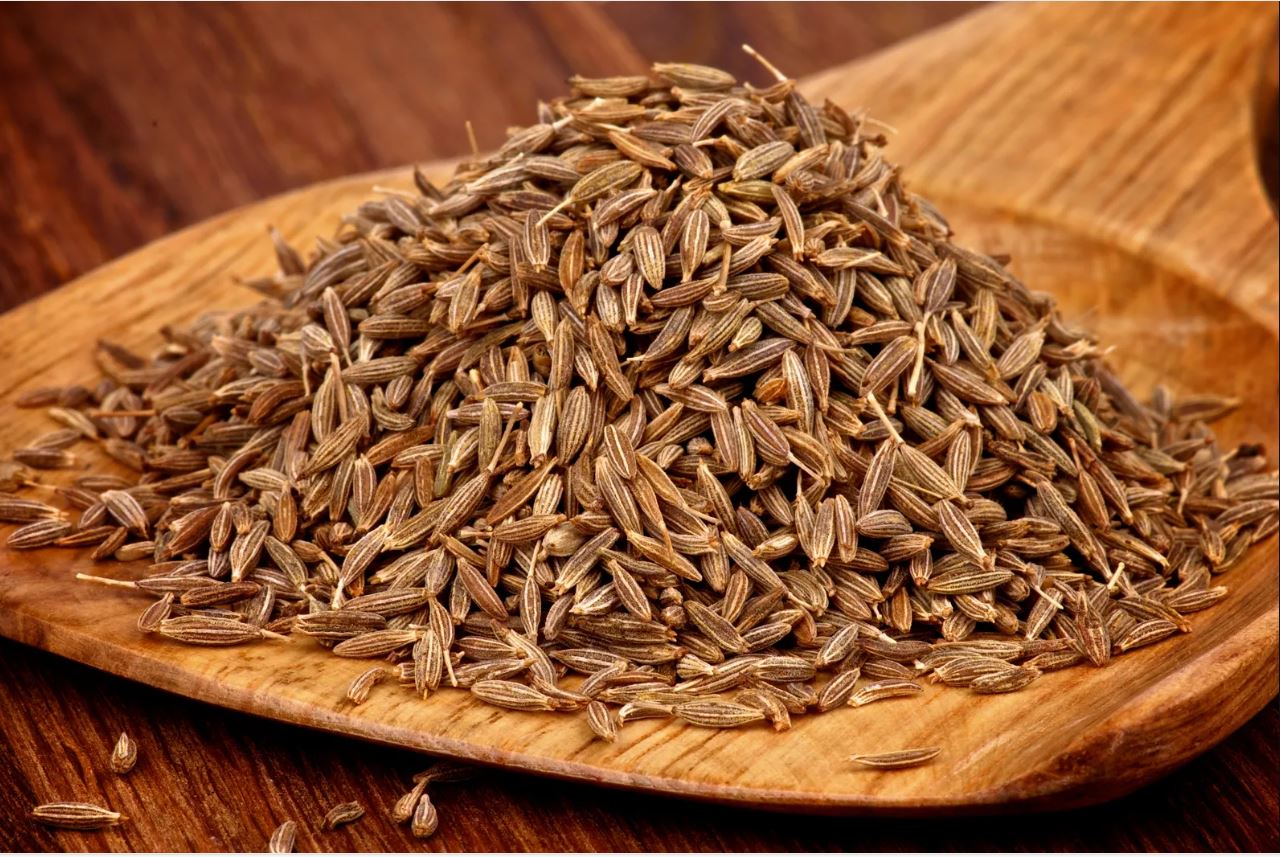
Cumin seeds, known as “jeera” in many parts of the world, are a staple spice in countless cuisines, especially in South Asian, Middle Eastern, and Latin American cooking. Beyond their distinctive earthy flavor and aromatic appeal, cumin seeds are a powerhouse of nutrition, offering several essential nutrients that support human health in remarkable ways.
Cumin seeds are rich in dietary fiber, which aids digestion and prevents constipation. Just a teaspoon of these seeds can stimulate the secretion of pancreatic enzymes, which are crucial for proper digestion and nutrient absorption. This is one reason cumin is commonly included in digestive tonics and herbal teas.
PARADIGM MART
Nutritionally, cumin seeds are an excellent source of iron, a mineral vital for the production of hemoglobin in red blood cells. Iron helps carry oxygen throughout the body, supporting energy levels and preventing anemia. A single teaspoon of cumin seeds can provide about 15% of the recommended daily intake of iron, making it particularly valuable for menstruating women, growing children, and people recovering from illness.
Cumin is also packed with antioxidants, such as flavonoids and polyphenols, which help protect the body from harmful free radicals. These antioxidants contribute to reducing inflammation and may help in lowering the risk of chronic diseases like heart disease, diabetes, and even cancer.
www.paradigmmart.com
Additionally, cumin contains small but beneficial amounts of vitamins A, C, E, and B-complex, which support skin health, boost immunity, and enhance brain function. The spice also offers minerals such as magnesium, manganese, and calcium, which are essential for bone health and muscle function.
Some studies have even suggested that cumin may help regulate blood sugar levels, support weight loss, and reduce cholesterol, making it a valuable addition to a balanced diet.
In conclusion, cumin seeds are more than just a flavoring agent—they’re a natural supplement packed with vital nutrients. Regular consumption, even in small amounts, can significantly contribute to overall health and well-being.