


Description:
Discover the benefits of using natural masala (spices) instead of processed tasty salt in your daily cooking. This blog explores how natural spices enhance flavor, boost health, and protect against the hidden dangers of artificial seasonings.
Why You Should Choose Natural Masala Over Tasty Salt: A Flavorful Path to Better Health
In today’s fast-paced world, convenience often takes priority over quality, especially when it comes to food. One example of this is the growing use of artificial flavor enhancers like “tasty salt” (also known as taste enhancers or seasoning powders). While these products offer instant flavor, they often come at a cost—your health. In contrast, traditional natural masalas (spices) not only bring out the rich flavors in your food but also offer a treasure trove of health benefits. In this blog, we will explore why natural masala should be your first choice in cooking, and why it’s time to say goodbye to tasty salt.
1. Understanding Tasty Salt and Its Composition
Tasty salt is a processed flavor enhancer commonly used in fast food, instant noodles, and packaged snacks. It usually contains monosodium glutamate (MSG), artificial flavoring agents, preservatives, excessive sodium, and other chemicals designed to trigger your taste buds. While it may add an immediate savory kick to food, these ingredients can be harmful if consumed regularly.
Studies have shown that high sodium intake from such artificial seasonings can lead to health problems such as:
- High blood pressure
- Water retention
- Kidney strain
- Headaches
- Allergic reactions in sensitive individuals
MSG, in particular, has been linked to symptoms such as nausea, sweating, chest pain, and palpitations in some people, a condition known as “Chinese Restaurant Syndrome.”
2. The Power of Natural Masala: Flavor with Purpose
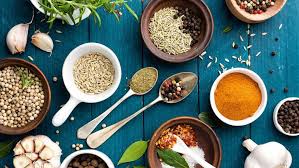
Natural masala refers to traditional spice blends made from natural ingredients such as turmeric, cumin, coriander, cloves, cinnamon, cardamom, black pepper, ginger, garlic, and more. Unlike tasty salt, these spices not only flavor your food but also offer multiple health benefits.
Here’s what makes natural masala superior:
- Turmeric: Contains curcumin, a powerful anti-inflammatory and antioxidant compound.
- Cumin: Aids digestion, reduces bloating, and is rich in iron.
- Black Pepper: Enhances nutrient absorption and supports metabolism.
- Ginger & Garlic: Natural antibiotics that boost immunity and fight infections.
- Coriander & Cardamom: Help in detoxifying the body and improving digestion.
These spices have been used in Ayurvedic and traditional medicine for centuries, proving that nature has long provided us with flavorful, health-supporting ingredients.
3. Natural Masala Helps Build Long-Term Health
Using natural masala regularly can contribute to better long-term health outcomes. Here are some ways it supports your well-being:
- Boosts Immunity: Many spices are rich in antioxidants and have antimicrobial properties that keep common illnesses at bay.
- Improves Digestion: Spices like fennel, cumin, and ginger stimulate digestive enzymes and reduce acidity and bloating.
- Controls Inflammation: Turmeric and garlic help reduce chronic inflammation in the body.
- Manages Blood Pressure: Unlike tasty salt which increases sodium levels, natural spices can help regulate blood pressure through better circulation and fluid balance.
When you cook with masala, you’re not just making your food taste better—you’re actively supporting your body’s natural healing processes.
4. Natural Masala Enhances Culinary Traditions
There’s a reason traditional recipes from South Asia, the Middle East, and Africa rely heavily on spice blends. These regions have used natural masala for centuries not only for flavor but for its medicinal value. Spices carry cultural richness and diversity that processed products like tasty salt simply cannot replicate.
When you choose natural masala, you also:
- Preserve culinary heritage
- Enjoy authentic flavors
- Avoid artificial additives and preservatives
You can even customize your spice blend based on taste or health needs, something that’s impossible with mass-produced seasoning powders.
5. How to Make the Switch
If you’re used to tasty salt, making the transition to natural masala may take a little adjustment, but it’s worth it. Here are a few tips:
- Start Small: Begin by reducing your use of tasty salt gradually while introducing more spices into your dishes.
- Use Fresh Masala: Use whole spices and grind them fresh for maximum flavor and nutrition.
- Experiment: Try different masala combinations—garam masala, panch phoron, chaat masala—each has its unique character.
- Read Labels: If buying ready-made masala blends, check for additives and choose organic or preservative-free versions.
Soon, you’ll find that you no longer miss the artificial flavor of tasty salt because your dishes will be bursting with real, complex taste.
Final Thoughts
While tasty salt may offer a quick fix for bland food, its long-term impact on your health is a serious concern. Natural masala, on the other hand, is nature’s gift—rich in flavor, packed with health benefits, and rooted in tradition. By choosing natural spices over synthetic flavor enhancers, you’re not only making your meals healthier but also more meaningful and connected to cultural roots.
Make the shift today—your taste buds and your body will thank you.